
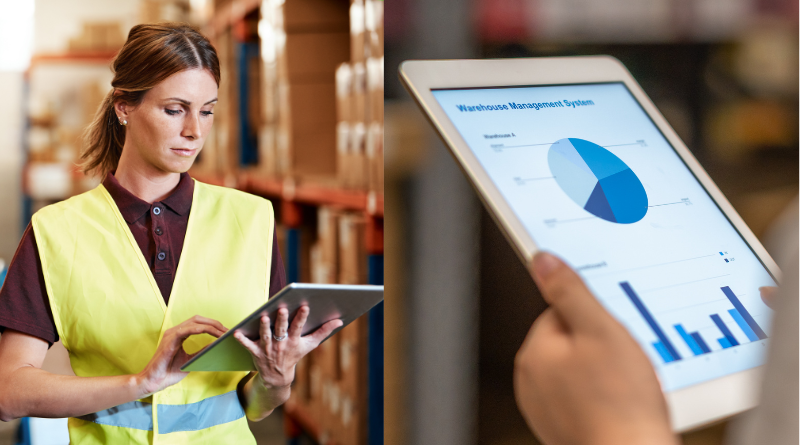
You probably haven’t heard the term “smart logistics” very often, but it has actually been actively used in various industrial sectors for several years now.
As the name suggests, this concept is based on managing logistics warehousing using smart devices; this is made possible by the device’s interconnection with the rest of the operations.
Studies show that the supply chain is managed more efficiently than when we do not use this technology.
Focused on optimizing the processes involved in warehousing, distribution, and supply chain management using the “Internet of Things” (IoT)—a term coined to describe physical objects (or groups of objects) equipped with sensors, processing capabilities, software, and other technologies that connect to and exchange data with other devices and systems via the internet or other communication networks.
Although this association with the IoT is actually incorrect because they only need to be connected to a network or connection—not to the internet.
How is it implemented?
As we mentioned earlier, this term can be applied to all areas of the supply chain.
Next, we will focus on the application to systems.
–Monitoring the product during transport:
It is usually one of the first systems to be implemented when working with IoT in a company that handles shipments, whether on a daily or monthly basis.
The first step is to record when the transportation company’s vehicle arrives and departs. You should also track the route, monitoring the itinerary all the way to the delivery point.
By installing GPS devices and sensors, we will not only be able to track the route but will also have access to real-time information on the condition of the vehicle and the cargo.
There are many software programs that provide this information.
–Inventory Management
Having a smart inventory system is essential.
By implementing a smart inventory system, you’ll be able to continuously track, monitor, and evaluate your stored products. To do this, you’ll need sensors that can effectively count both the products currently in stock and those that need to be restocked or that you’ll need for upcoming projects. Examples: Parts, motors, tools…
If you work with products that are sensitive to temperature changes, you’ll likely need sensors that also measure temperature so you can monitor the condition of the product you’re working with.
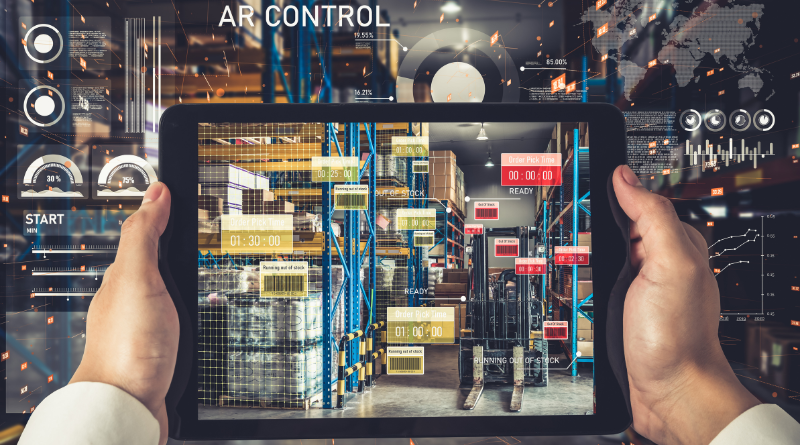
Benefits of Use:
–Inventorycontrol for our own products or those of third parties.
–Plan and manage transportation more efficiently
–Reduce shipping/transportation costs.
–Streamline collections and gain better control over the relationship between customer service and payment collection.
–Regulartracking of shipments.