
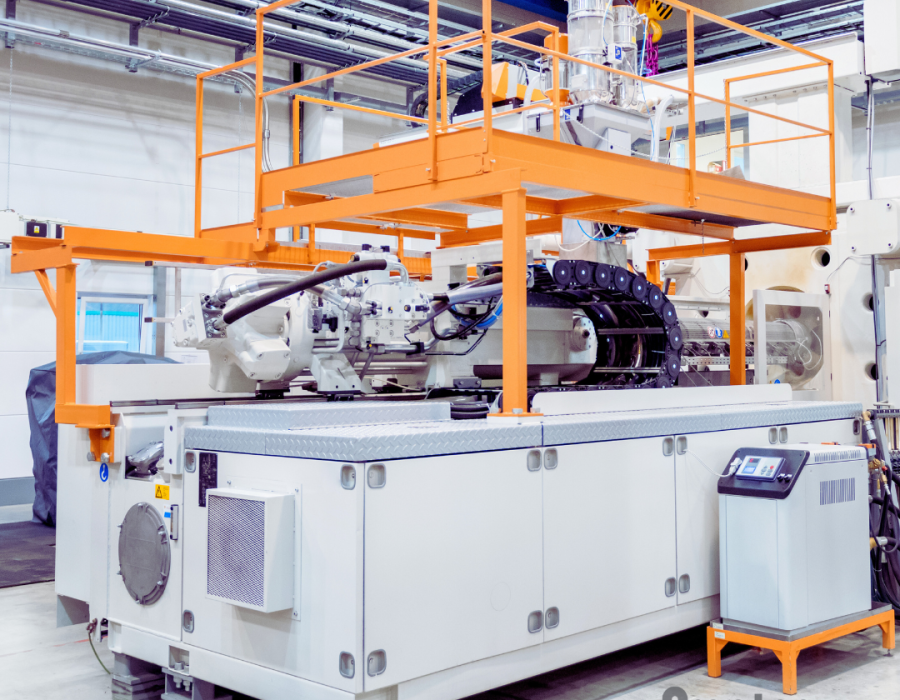
Agricultural machinery has a significant impact on agricultural production in several ways:
Work Efficiency:
Agricultural machinery allows farming tasks to be performed more efficiently and quickly than with traditional methods. For example, tractors and mechanical harvesters can do the work of several people in less time, thereby increasing overall productivity.
Time savings:
Modern agricultural machinery is capable of performing tasks in a much shorter period of time compared to manual methods. This allows farmers to get more work done in less time, which can increase the amount of crops that can be grown and harvested in a single season.
Larger scale of production:
Agricultural machinery allows farmers to work larger areas of land and handle greater production volumes. This is especially true in the case of large harvesters and irrigation equipment, which enable the cultivation of vast tracts of land and large-scale production.
Better Product Quality:
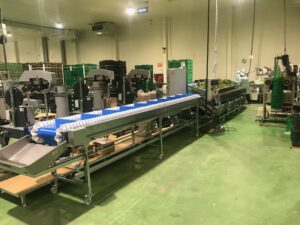
By using specialized machinery, such as grain sorters or balers, farmers can produce higher-quality products with a lower risk of damage. This is especially important for crops such as fruits and vegetables, where quality and appearance are key factors in market value.
Cost Reduction:
Although the initial investment in agricultural machinery can be high, it can lead to lower production costs in the long term. Modern machines can perform tasks more efficiently and with less labor, which can reduce labor costs and increase profitability.
Greater precision:
Modern agricultural machinery is equipped with advanced technology, such as global positioning systems (GPS) and sensors, which allow for greater precision in planting, fertilizer and pesticide application, and harvesting. This helps optimize the use of resources and minimize waste, which can lead to more sustainable production.